Hampi in Monsoon: Why July to September is the Best Time to Visit
Hampi in Monsoon: Why July to September is the Best Time to Visit
If you’ve only seen Hampi in winter, you haven’t really seen Hampi.
The version that fills travel reels – golden hour at Virupaksha, tour buses at Vittala, crowds jostling for the same boulder shot – that’s peak season Hampi. Beautiful, yes. But not the best Hampi.
The best Hampi arrives with the rains. And most people have no idea.
What Makes Hampi in Monsoon Different
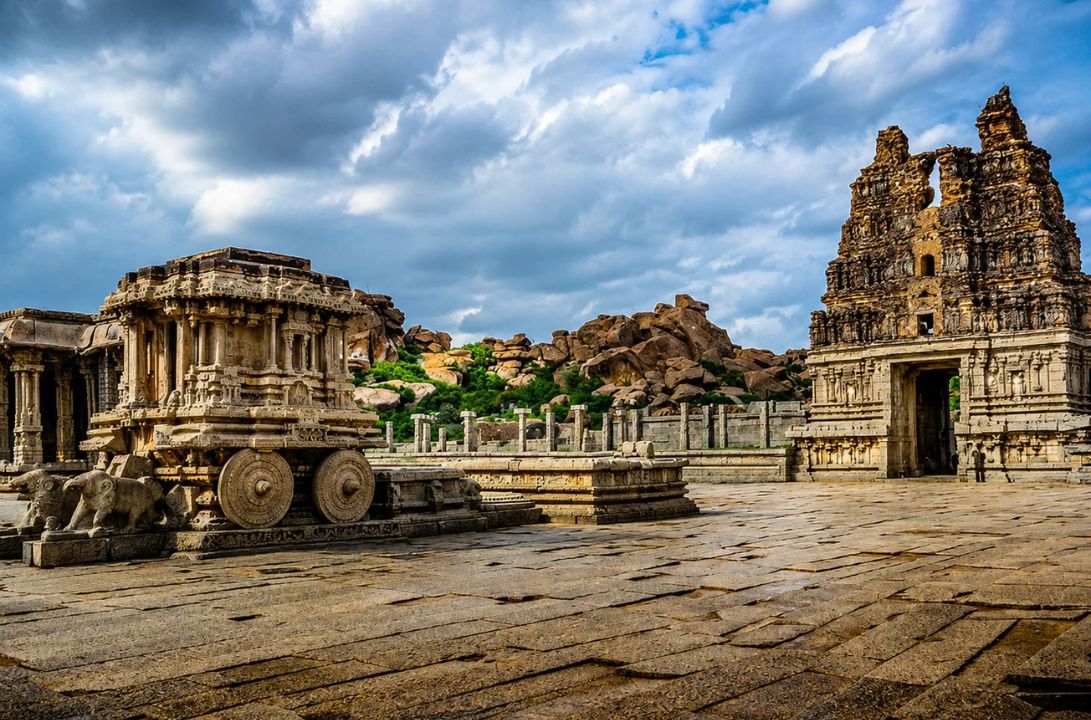
From July to September, something fundamental shifts in this UNESCO World Heritage Site. The dust settles. The crowds thin. The ruins – 600-year-old stone temples, royal enclosures, bazaar streets that once fed an empire – stop being a backdrop for photographs and start feeling like a place that actually existed.
Rain-dark boulders. Mist sitting low over ancient walls. The Tungabhadra running fast and full. A quiet so complete it almost feels like the 14th century came back.
That’s Hampi in monsoon. And if you’re planning a trip, this is the season to go.
5 Reasons to Visit Hampi During Monsoon Season
1. The Tungabhadra Transforms
In winter, the Tungabhadra is scenic. In monsoon, it becomes something else entirely.
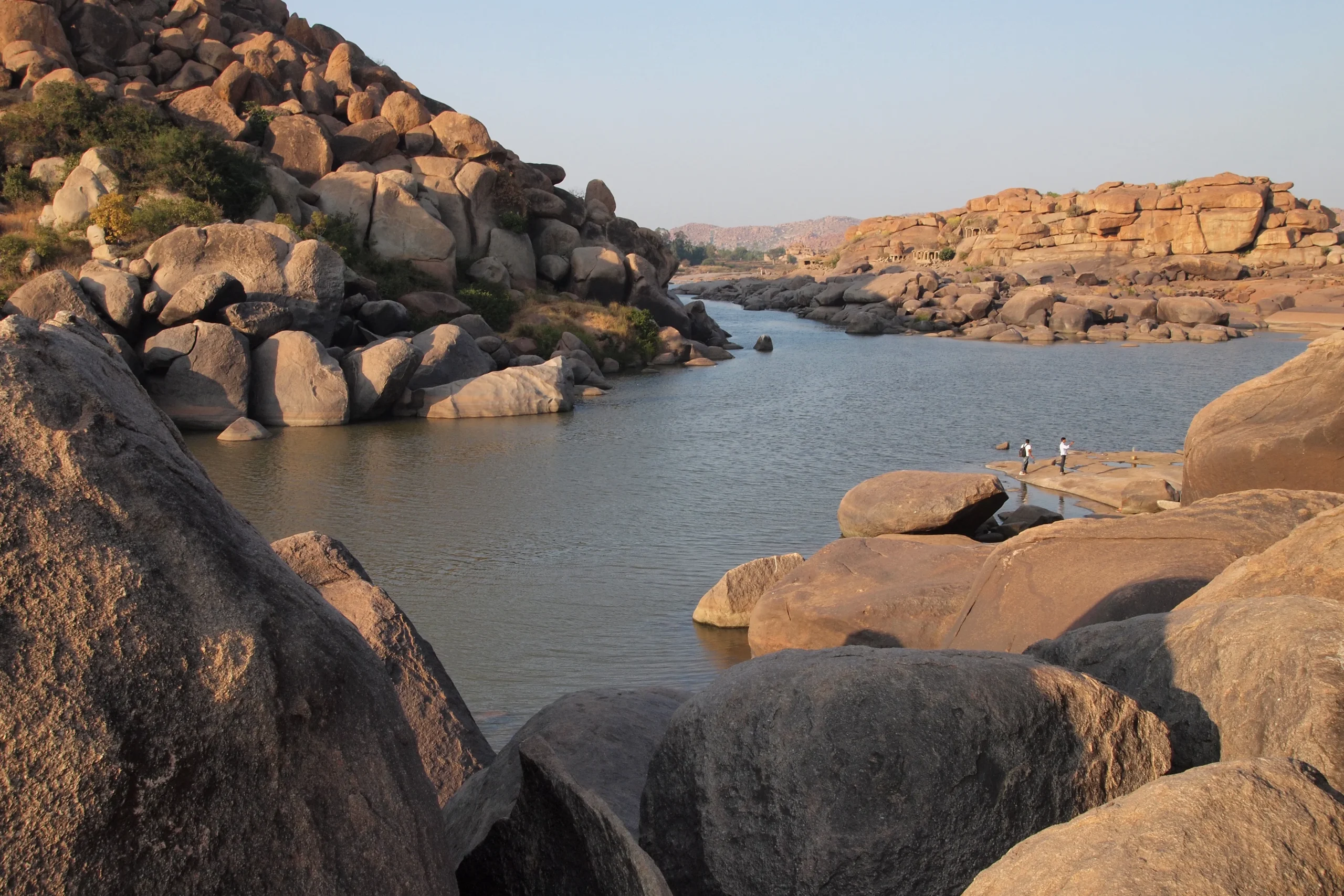
The river that once supplied water to the entire Vijayanagara Empire fills its banks and moves with real authority. The coracle rides that tourists do year-round become genuinely thrilling when the water is high – a little wild, far more memorable than the same ride on a low, placid river. Standing at the riverbank in July or August, watching the Tungabhadra swell against ancient ghats, you start to understand why this river was considered sacred. It earns that in the monsoon.
2. The Ruins Look More Themselves
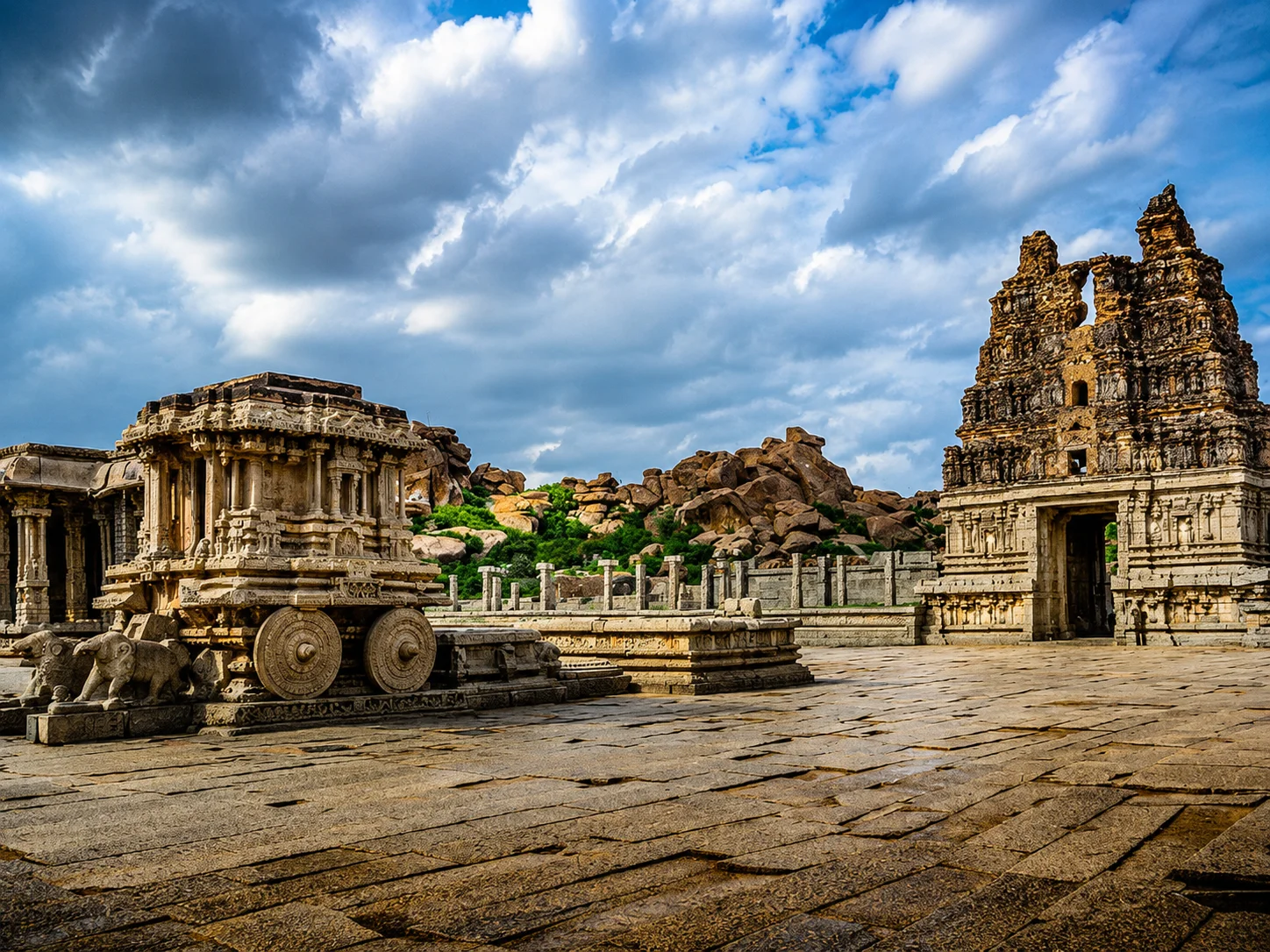
Hampi’s boulder landscape is extraordinary in any season. But when the rains arrive, the boulders shift from sun-bleached ochre to a deep, wet grey-green. Wildflowers push through cracks in stone that has stood for six centuries. The Kishkindha forest – the mythological landscape tied to the Ramayana and woven into Hampi’s identity – goes deeply, almost shockingly green. It looks less like a ruin site and more like the living forest kingdom it once was in legend.
The ruins don’t look diminished. They look more ancient. More dramatic. Like they’re finally allowed to just exist.
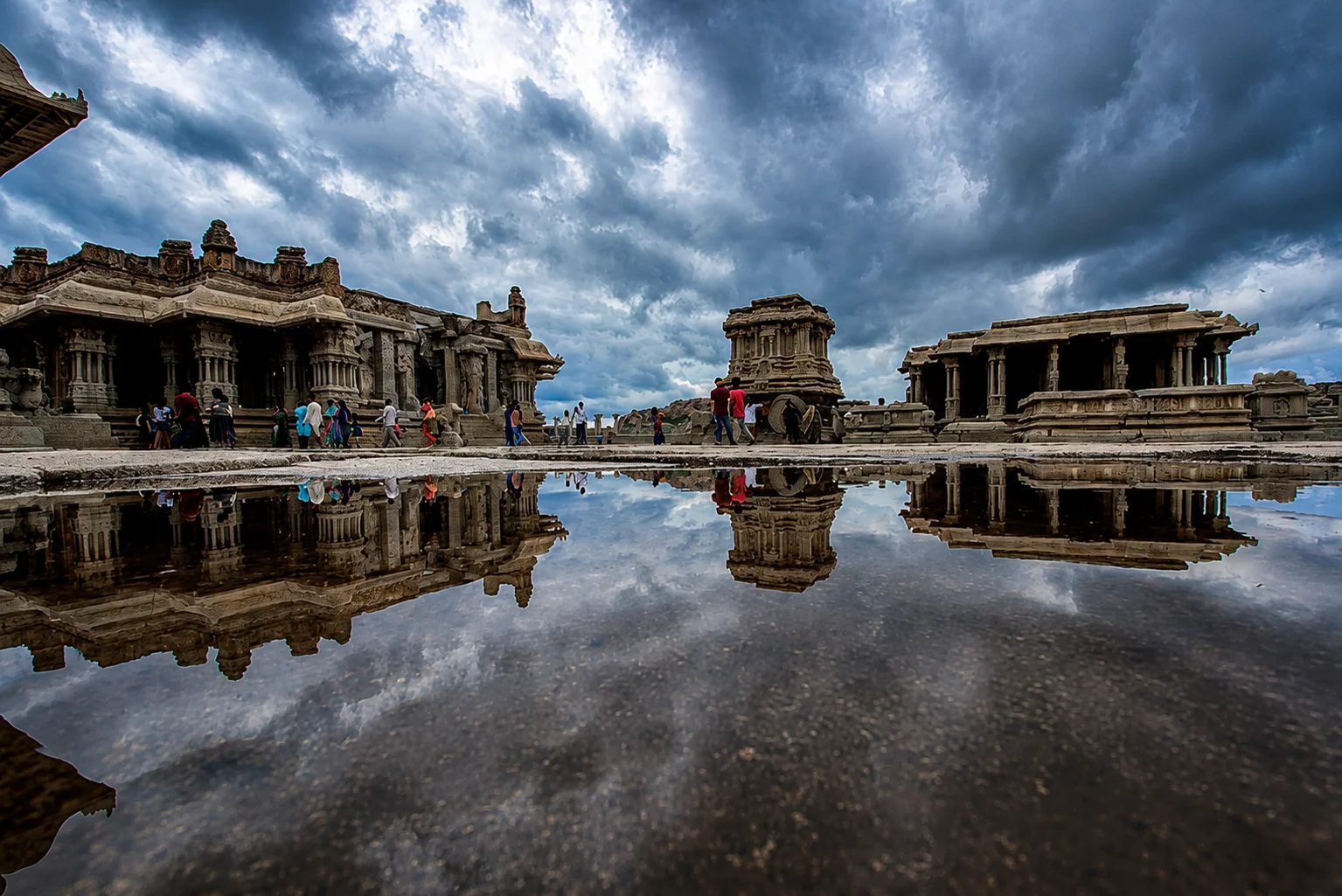
3. Hampi in Monsoon Means No Crowds
At Matanga Hill in December, you’re one of hundreds watching the sunrise. In July, you might be one of ten.
At Virupaksha Temple during peak season, you’re moving with a crowd. In the monsoon, you’re walking through a living piece of history and it’s quiet enough to actually hear it. The Musical Pillars with nobody around. Anegundi village, just across the river, going lush and unhurried. This is what it means to feel a place rather than photograph it.
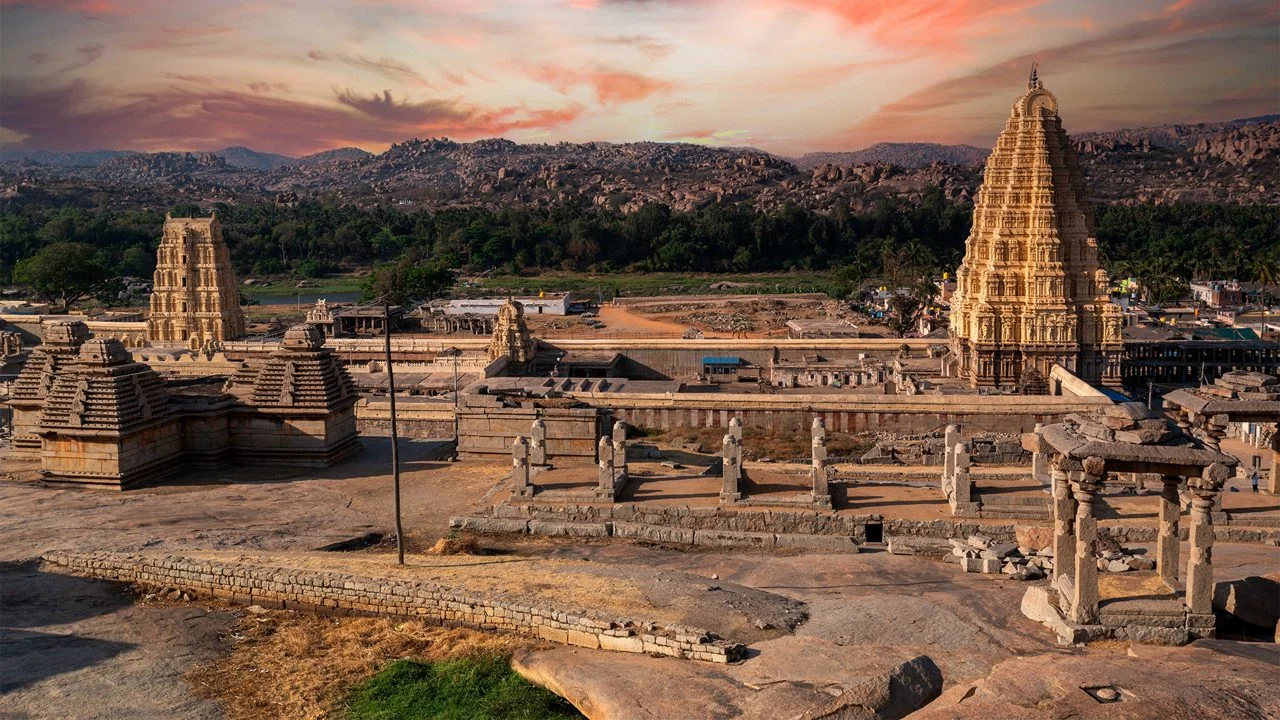
4. The Weather Is Actually Pleasant
Monsoon Hampi sits at 24 to 28 degrees – warm, overcast, with no harsh sun. For ruin walks, riverside mornings, and long slow afternoons, that’s genuinely better than the dry heat of peak season. Carry a light rain jacket and comfortable walking shoes. That’s all you need.
The roads from Bangalore are a smooth 5.5-hour drive. The nearest airport, Vidyanagar, is about 30-35 minutes from Sandur.
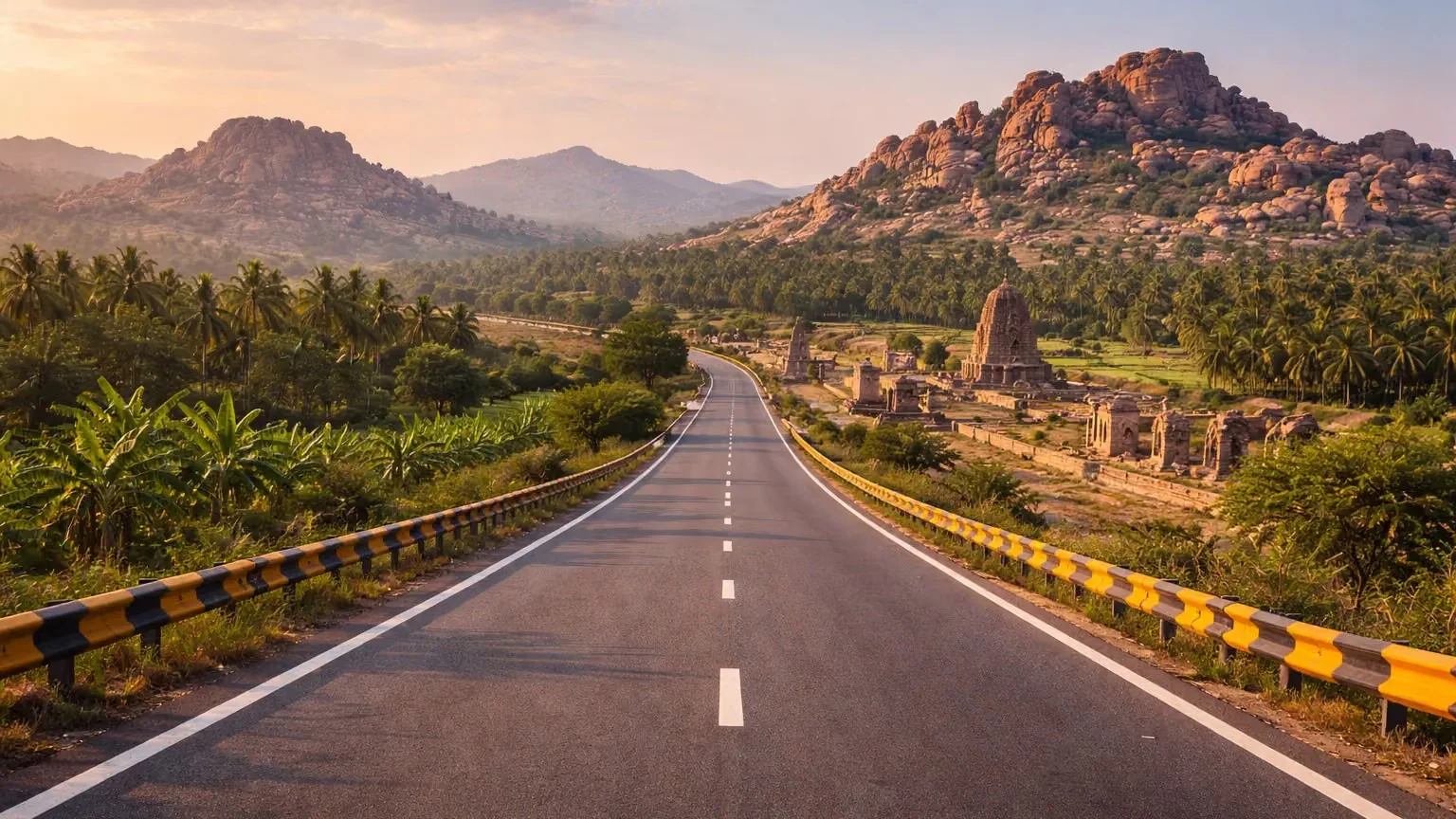
5. The Sandur Hills Turn Extraordinary
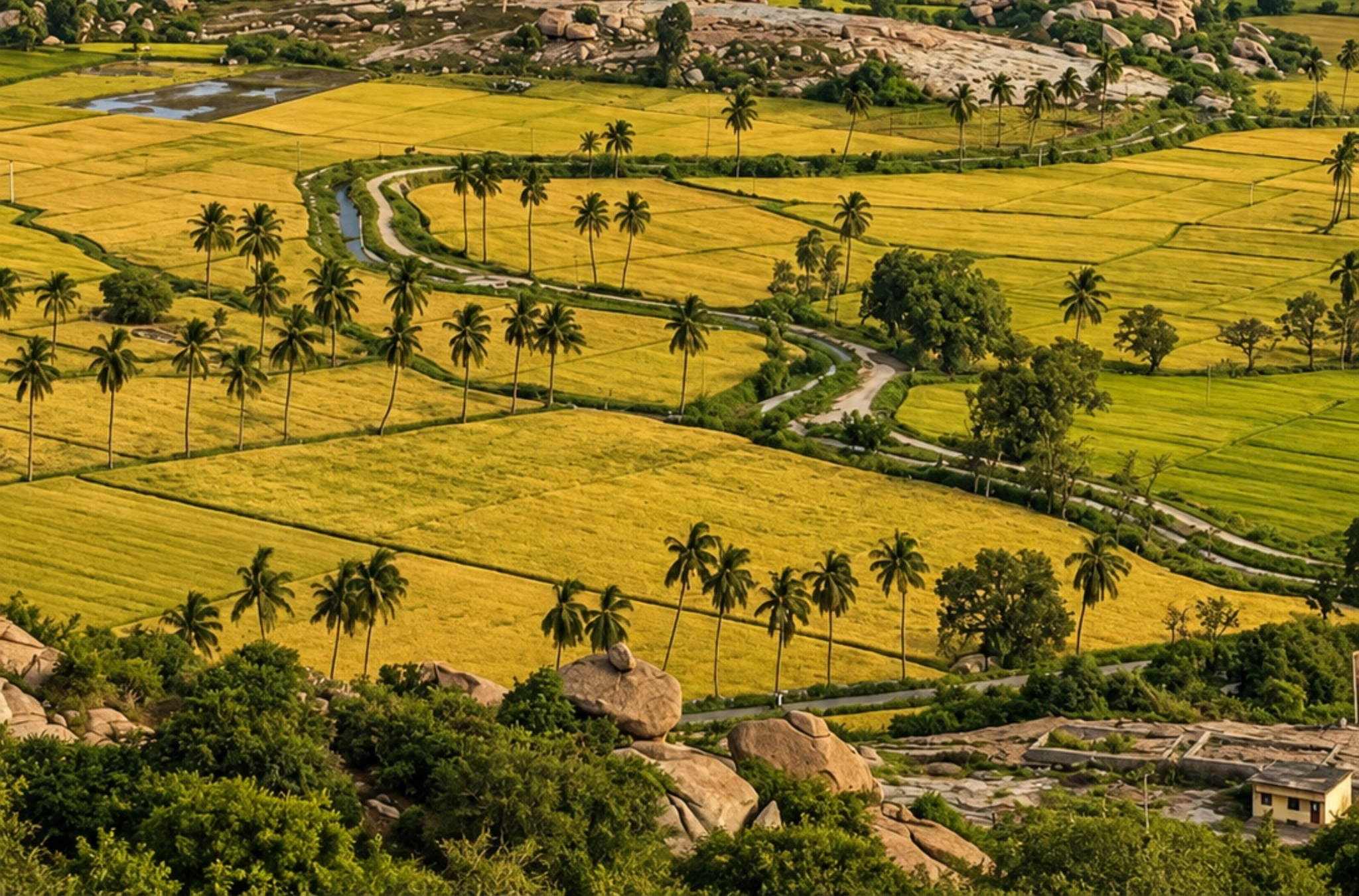
The landscape around Hampi – Anegundi, the Sandur Hills, the river plains – does something in monsoon that no hill station can quite replicate. The green arrives all at once, deeply and completely, and suddenly you understand why the Vijayanagara kings chose this valley.
Where to Stay: Seclude Hampi 1800, Sandur
A monsoon trip to Hampi is only as good as where you return to at the end of the day. And this is where it matters.
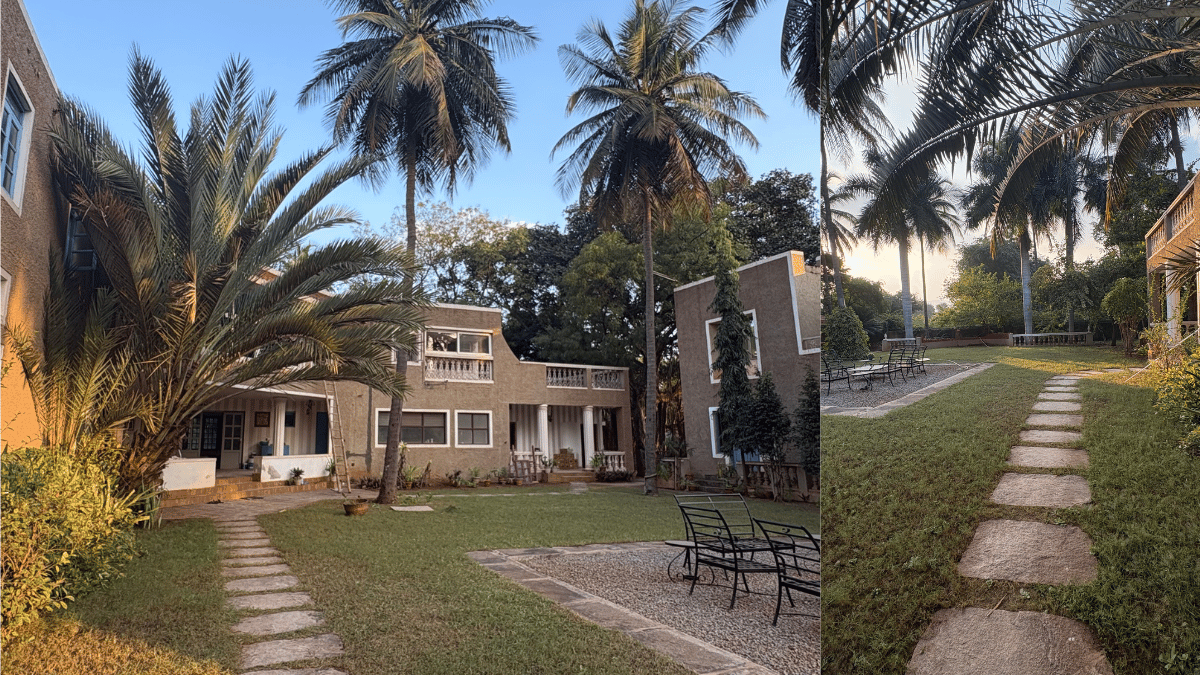
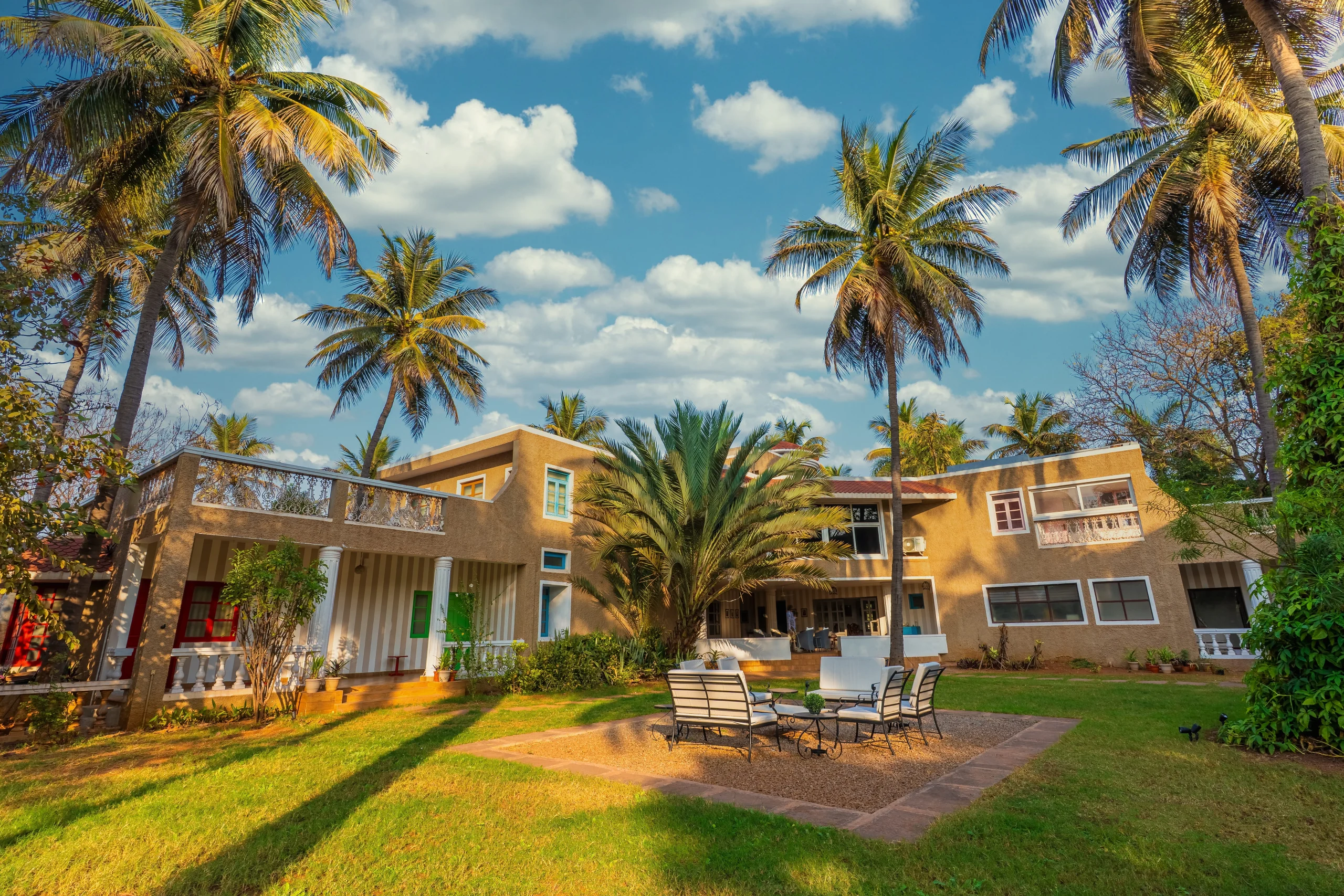
Seclude Hampi 1800 is a restored heritage villa in Sandur – the residence of the royal Ghorpade family – about an hour from the ruins. Six rooms. Open gardens. Hand-carved woodwork and stonework that has been standing since 1800.
In the monsoon, the property becomes its own reason to visit.
The gardens go deep green. The palms come alive in a way the dry season doesn’t allow. The pool, surrounded by heritage stone and open sky, becomes the kind of place you don’t want to leave. The interiors – each room named after a piece of Hampi’s mythology, from Sugriva Red to Kishkindha Green to Matanga Purple – feel warm and enveloping when the rain is outside.
This isn’t a resort. It’s not a hotel. It’s a restored royal home where you explore the ruins, the river, the forest during the day – and come back to somewhere genuinely special.
Sit by the pool while rain falls around you. Walk through a garden that smells like wet earth and old stone. Have chai on the verandah. Eat a long, unhurried dinner. Light a bonfire as the evening cools.
The stillness of Seclude Hampi 1800 in the monsoon isn’t what you settle for. It’s what you come for.
1. Couples who want to actually be together, without a packed itinerary or twenty other guests at breakfast.
.2 Solo travellers who want to think, read, and walk slowly through ruins that have outlasted empires – and return to somewhere genuinely beautiful.
3. Photographers who have been to Hampi before and know there’s a version of it they haven’t captured yet.
4. Anyone tired of travel that looks great on Instagram but doesn’t actually rest you.
Planning Your Monsoon Visit to Hampi
Season: July through September.
Temperature: 24–28°C, warm and overcast.
Getting there: 5.5-hour drive from Bangalore; Vidyanagar Airport is 40 minutes from Sandur.
What to pack: Light rain jacket, comfortable walking shoes, and very little else.
One practical note: Seclude Hampi 1800 has six rooms. When word quietly gets around that monsoon is the best time to visit – and it does – it fills faster than you’d expect. If you’ve been meaning to go, this is the season.
Get in Touch Now!
Similar Blogs
Sandur, Karnataka: The Town Near Hampi Nobody Is Talking About
Hampi in Monsoon: Why July to September is the Best Time to Visit
Not Just a Festival: Experiencing Thrissur Pooram With Seclude
What It’s Like to Stay at a Tea Estate in Palampur — And the Experiences That Come With It
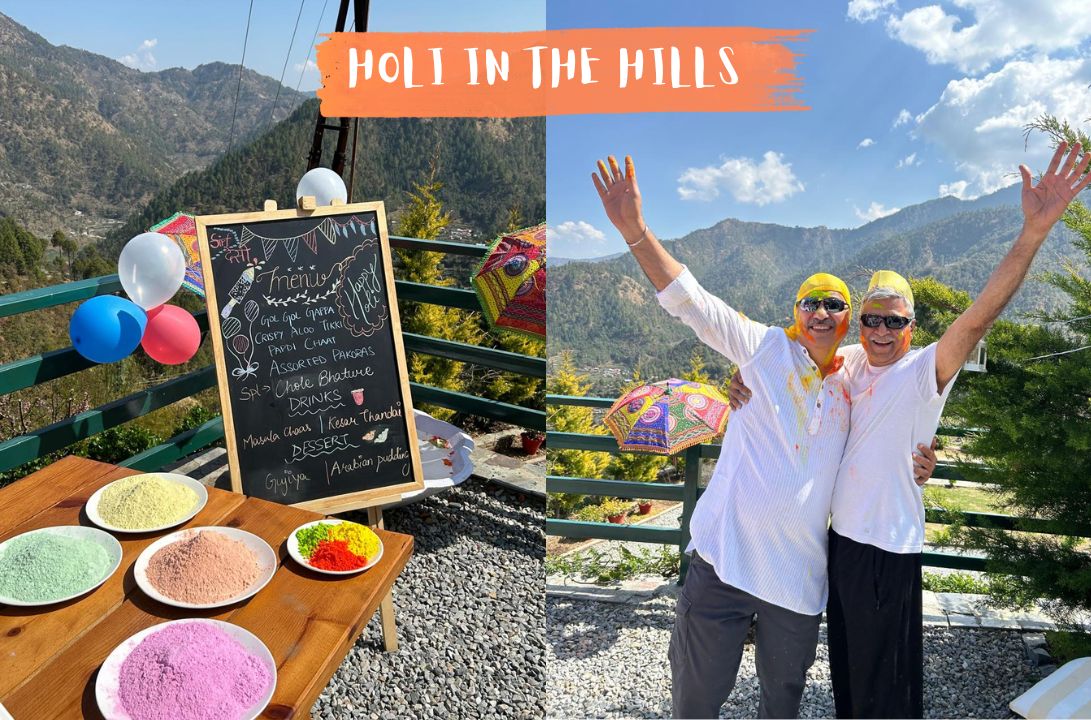
Holi In The Hills — Getaways for Families & Friends Who Want More Than a Party
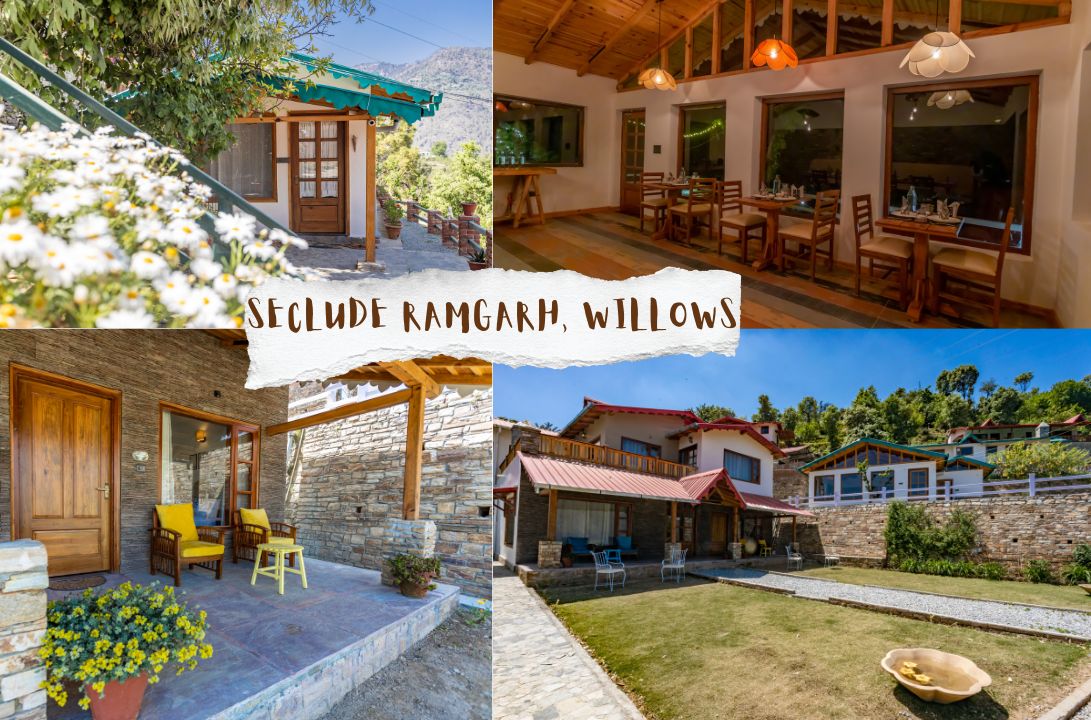
Skip the Crowds of Nainital, Stay at Seclude Ramgarh - Willows
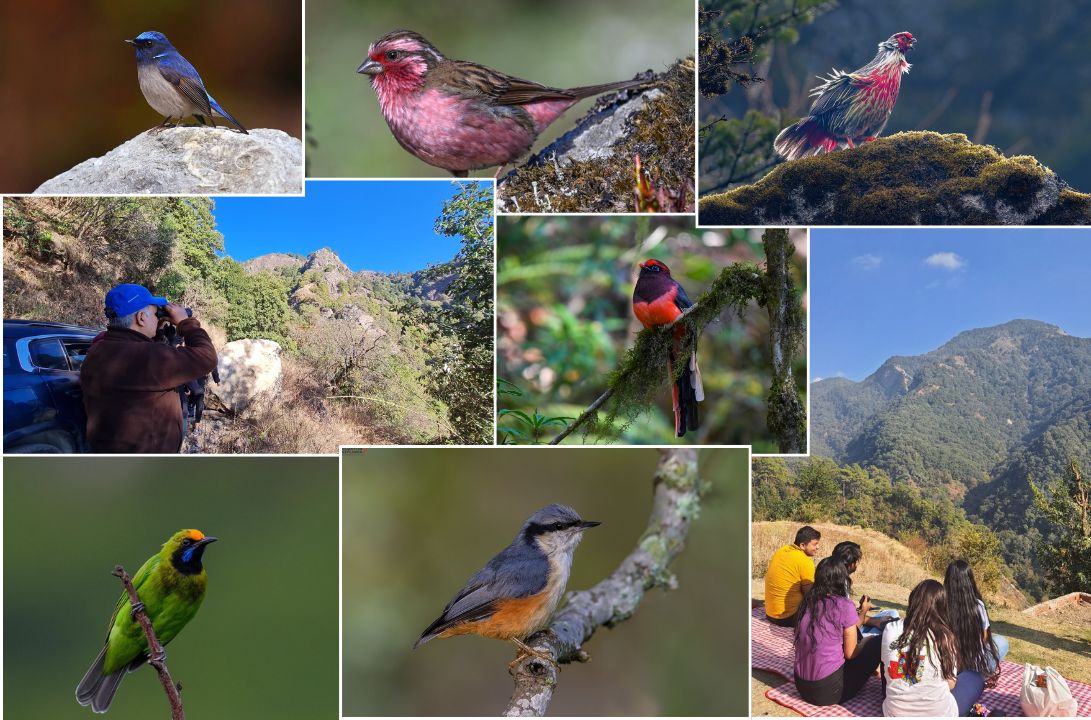
Best time for bird watching in Pangot
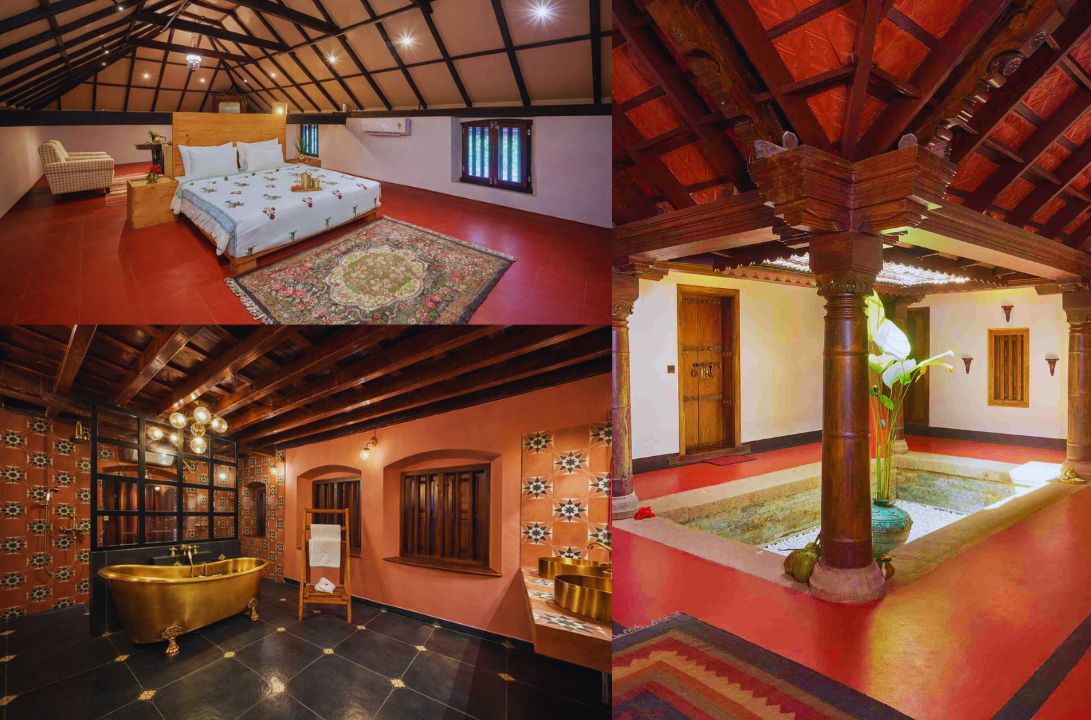
Seclude Thrissur — A Heritage Retreat at Karthika Nivas