Sandur, Karnataka: The Town Near Hampi Nobody Is Talking About
Fifty-odd kilometres east of the Deccan plains, ringed by some of the oldest rock formations on the planet, sits a town most visitors to this part of Karnataka never learn the name of. They land in Hospet, spend two or three days chasing boulders and stone chariots, and drive back out the way they came. Forty minutes away, in the other direction, is a place that has been quietly outlasting empires since long before the one everyone comes to photograph was built.
That place is Sandur.
A Town That Predates the Empire
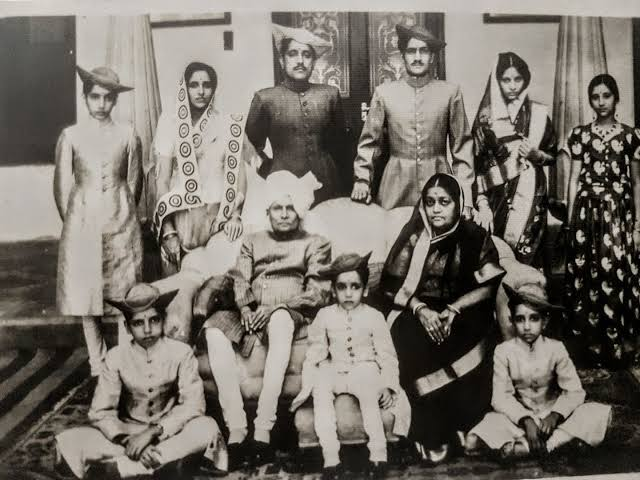
Long before the Vijayanagara kings raised their capital on the riverbank to the west, this hill town was known as Skandapuri, named for the deity enshrined on the ridge above it. By the time the empire fell in the sixteenth century, Sandur had already become a small princely state in its own right, ruled by the Ghorpade family, Maratha nobles who governed the region for close to four centuries and still call it home today.
What makes Sandur worth writing about isn’t just its age. It’s how little that age has been advertised. Mahatma Gandhi stopped here in 1934 and called it an oasis. A few decades later, the state’s ruling family opened its most sacred temple to communities who had been barred from entering it for generations, well ahead of most of the country. None of this shows up in the guidebooks that cover the ruins thirty kilometres west. Sandur has simply never tried to be found.
The Kumaraswamy Temple, Hidden in the Hills
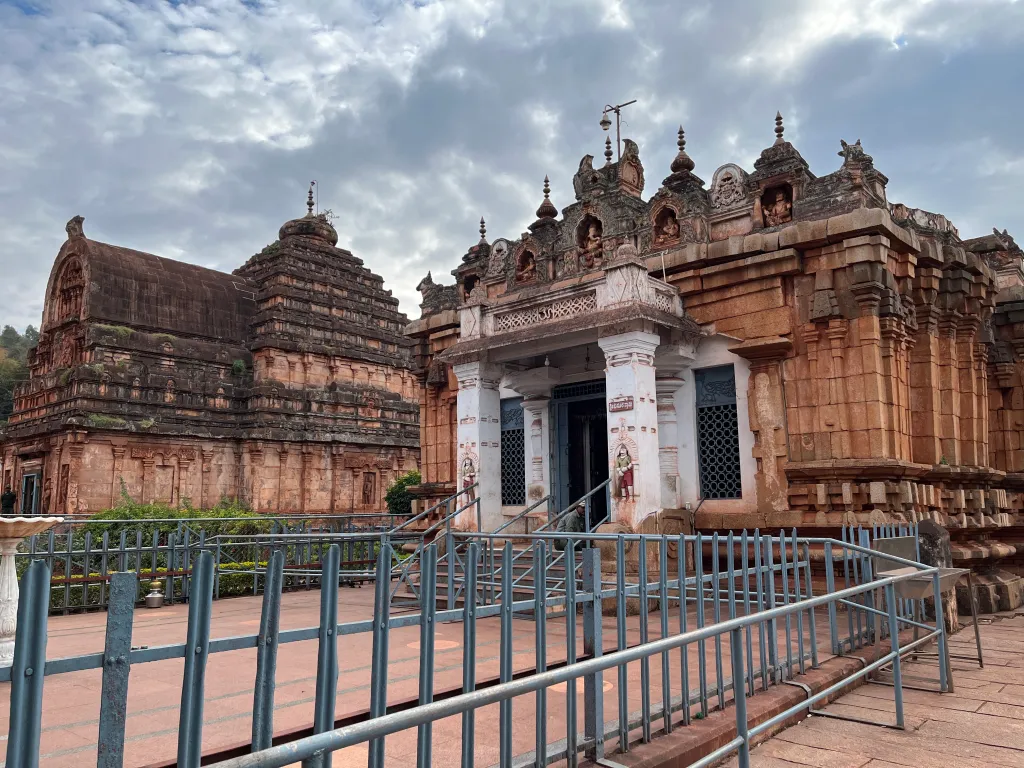
Ten kilometres outside town, inside the Swamimalai forest range, stands a temple complex that is older than almost anything at the more famous site nearby. Parts of it date to the Chalukya period, somewhere in the seventh or eighth century, with later additions credited to the Rashtrakutas. It was the Ghorpades who rediscovered it in the forest in the fifteenth century and brought it back into worship.
The temple is dedicated to Kumaraswamy, also known as Murugan or Subrahmanya, and that alone makes it unusual this far north. Murugan worship is a Tamil Nadu tradition more than a Karnataka one, and this hillside shrine is considered one of the very few significant sites dedicated to him outside the south. The setting matches the story: dense forest, a hill shaped like an ellipse, peacocks calling somewhere out of sight, and a stillness that has nothing to do with tourism infrastructure, because there isn’t much of it here.
A Palace, a Family, and a Legacy Still Standing
On the way into town, the road passes an Indo-Saracenic palace built in the 1930s by the last ruling Ghorpade king, its domes visible above the treeline long before the building itself comes into view. It’s a striking piece of architecture, and a reminder that Sandur’s royal history isn’t confined to museums or plaques. The Ghorpades still live in the district, and the built environment around town, gardens, courtyards, stone gateways, carries the weight of that continuity rather than the staged feel of a heritage site preserved for visitors alone.
Narihalla Gorge and the Wild Edge of Sandur
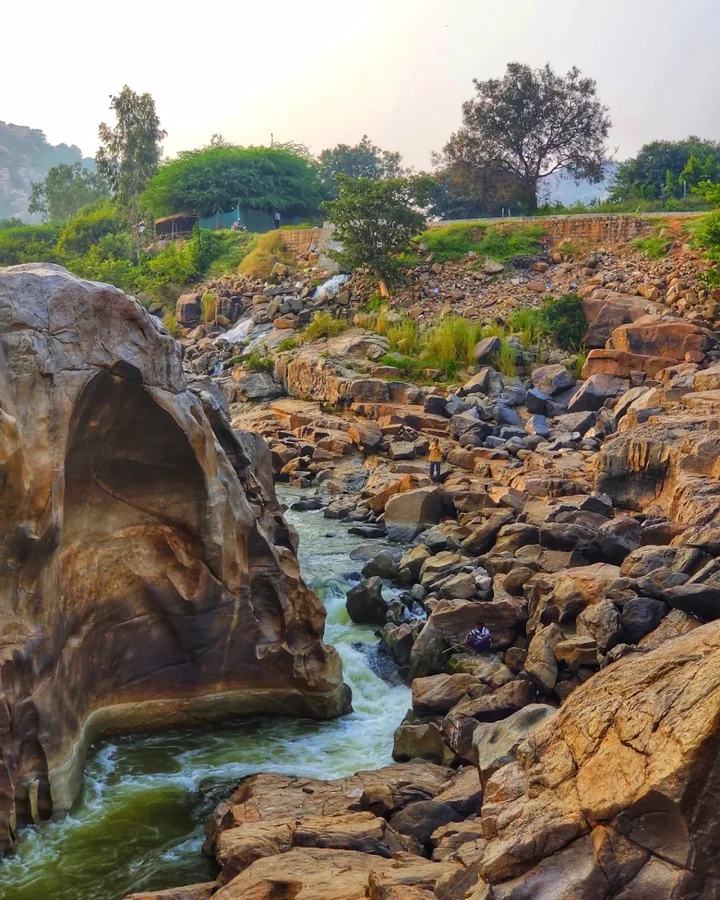
Not everything here is architectural. A short drive from the town centre brings you to the Narihalla gorge, a dramatic cut through the hills that geologists point to as a textbook example of the formation. The dam nearby holds back a stretch of water that, depending on the season, ranges from a modest pool to a full, roaring gorge. Locals treat the viewpoint above it as an evening ritual rather than a tourist stop, arriving as the light drops and the birds start calling in earnest. The Sandur hills themselves are counted among the oldest exposed rock formations in the world, weathered into shapes that feel closer to sculpture than geology.
Where Craft Survived the Mines

Sandur sits in Karnataka’s iron ore belt, and mining has shaped its economy for decades. What’s less known is that the same industry funded one of the region’s most important craft revivals. In 1984, the local mining company set up Sandur Kushala Kala Kendra, a centre dedicated to reviving traditional Lambani embroidery and weaving among the tribal communities of the district. Walk through it today and you’ll find artisans working on textiles that would otherwise have disappeared from this part of Karnataka entirely. It’s not a polished museum experience. It’s a working craft centre, and that’s exactly the point.
Why Base Yourself Here Instead of Hospet
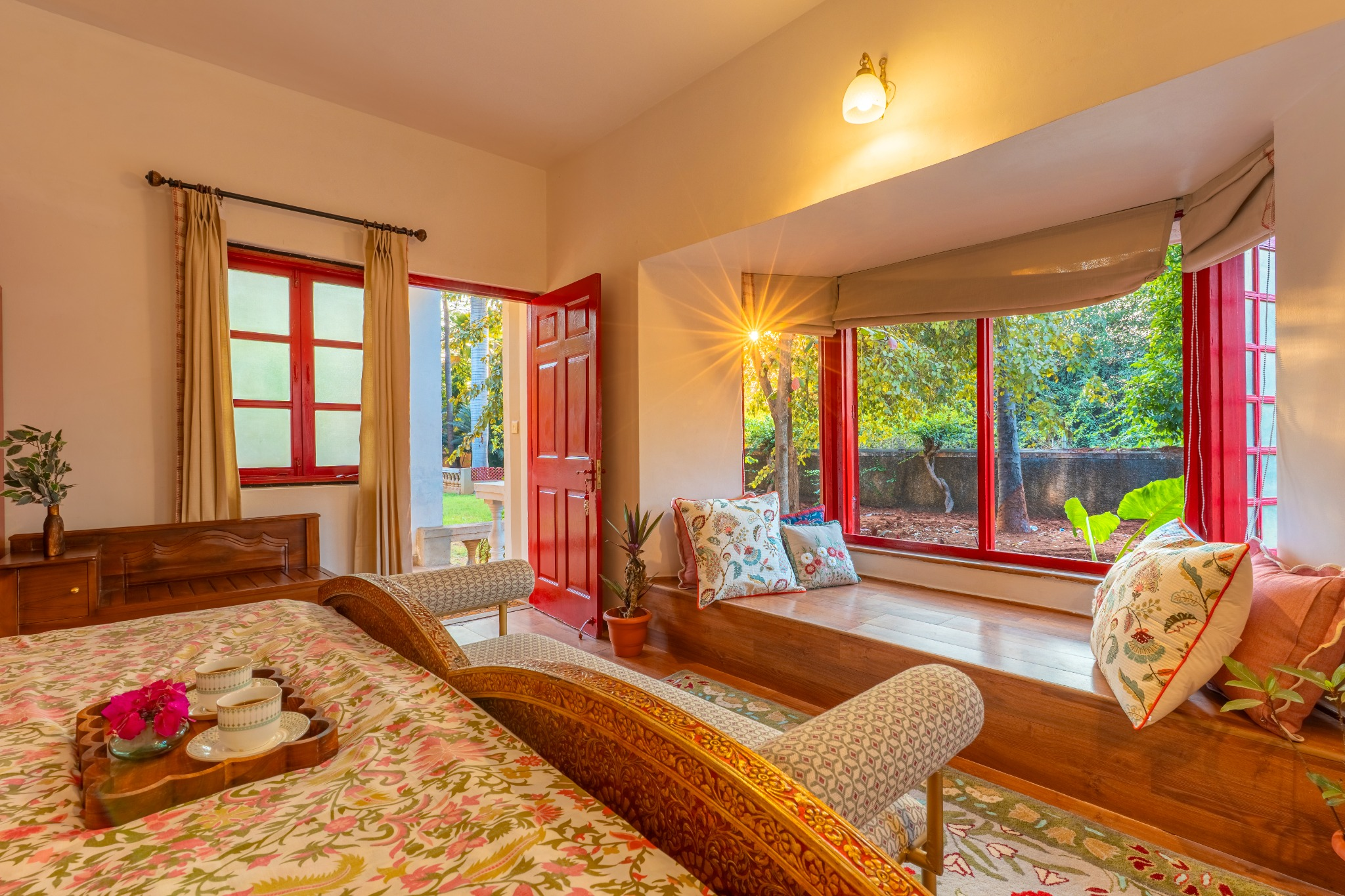
Most itineraries default to Hospet because it’s the closest town with hotel infrastructure to the ruins. But Hospet was built for transit, not for staying. It’s a functional base with little character of its own. Sandur is roughly the same distance from the monuments, sits inside a landscape worth exploring on its own terms, and gives you somewhere to return to at the end of the day that isn’t a strip of highway hotels.
The drive between the two takes about an hour, longer if you stop, which you should, since the road itself runs through some of the district’s most striking scenery. For a trip built around slowness rather than ticking off monuments, Sandur makes a stronger case as a base than most people realise.
Getting to Sandur
The town is roughly a five and a half hour drive from Bangalore and about forty minutes from Vidyanagar Airport, the nearest airstrip with regular flights. From the ruins themselves, expect just under an hour by road, depending on which part of the site you’re coming from.
A Quiet Base for a Loud Landscape
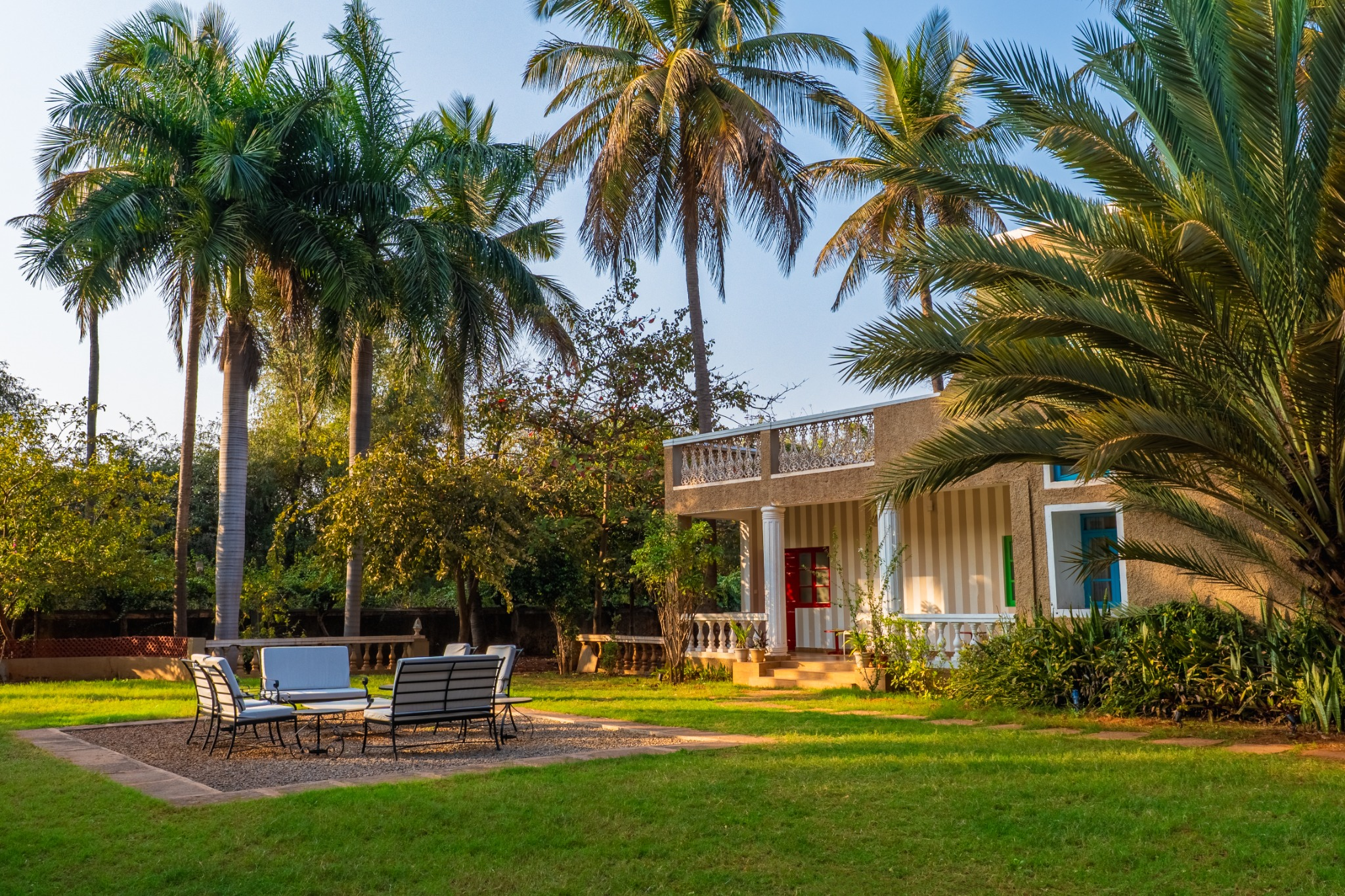
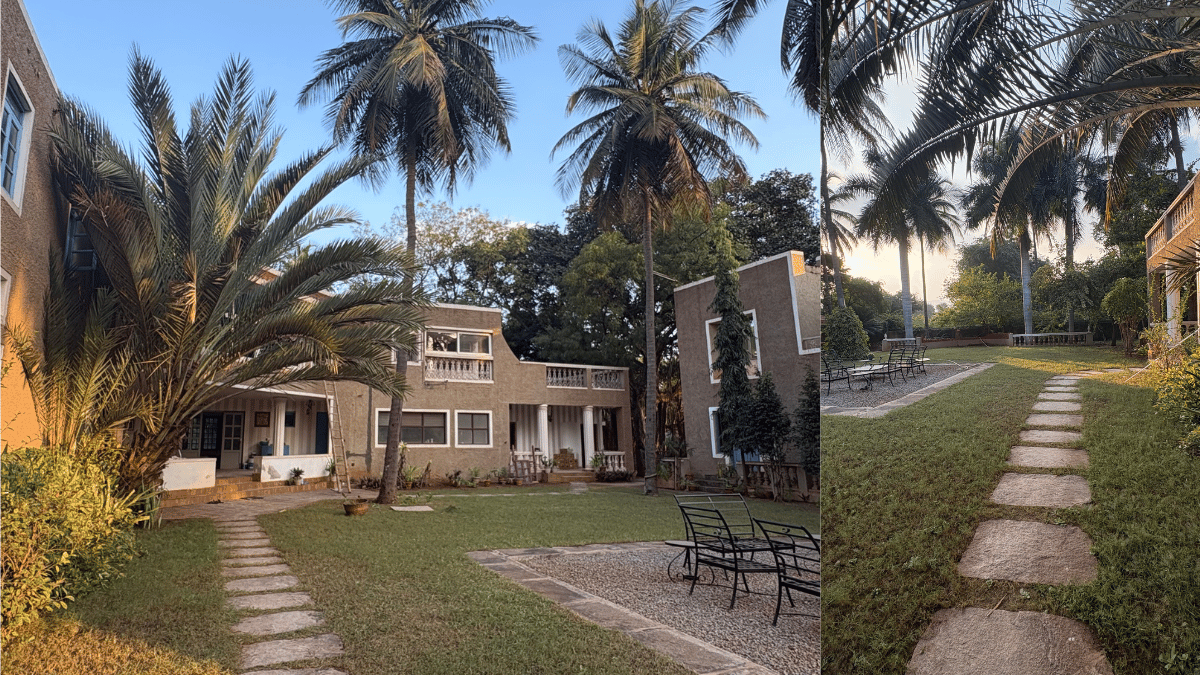
If you do decide to stay in Sandur rather than pass through it, Seclude Hampi 1800 is worth knowing about. It’s a restored heritage home that belonged to the Ghorpade family, standing since 1800, with gardens that back onto the same hills the rest of this piece has been describing. Staying here puts you inside the story rather than reading about it from a hotel room forty kilometres away, close enough to the temple, the palace, and the gorge to treat all three as an afternoon rather than an expedition, and quiet enough in the evenings that the town’s own stillness becomes part of the stay.
Come for the ruins if that’s what brought you this far. But give Sandur its own day before you leave. Very few travellers do, and that, more than anything else here, is what makes it worth the detour.
Get in Touch Now!
Similar Blogs
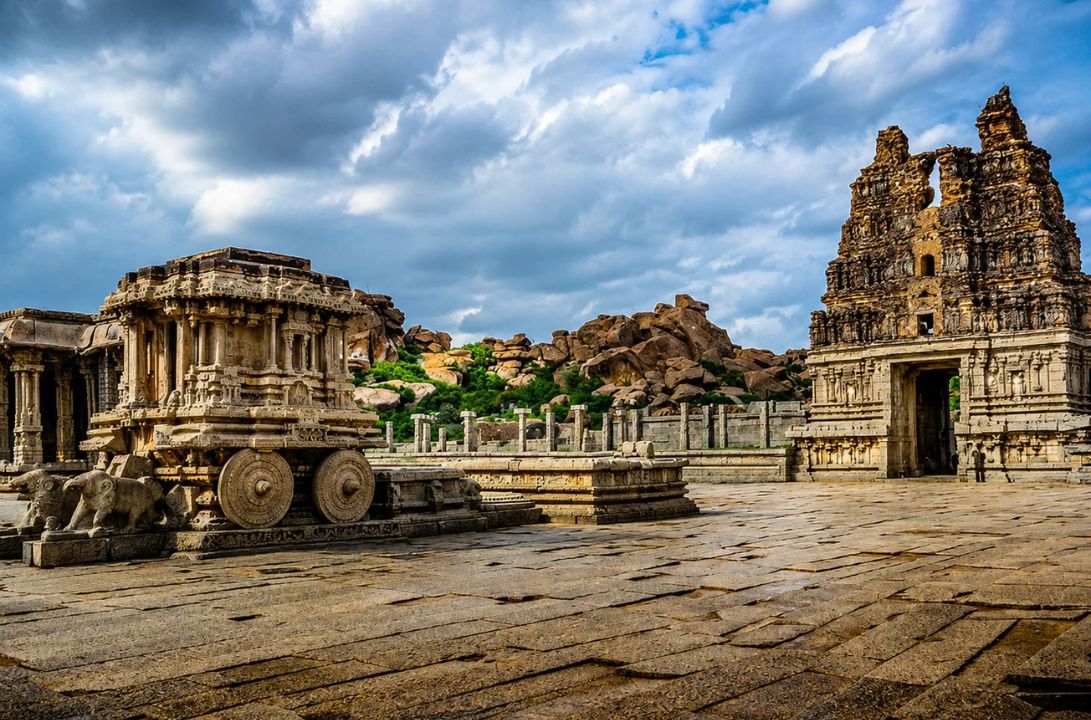
Hampi in Monsoon: Why July to September is the Best Time to Visit
Not Just a Festival: Experiencing Thrissur Pooram With Seclude
What It’s Like to Stay at a Tea Estate in Palampur — And the Experiences That Come With It
Holi In The Hills — Getaways for Families & Friends Who Want More Than a Party
Skip the Crowds of Nainital, Stay at Seclude Ramgarh - Willows
Best time for bird watching in Pangot
Seclude Thrissur — A Heritage Retreat at Karthika Nivas
Hampi Travel Guide: India's Ancient Stone City | Seclude